At a Glance
Growing your own vegetables transforms how you eat, how you feel, and how you connect with the world around you. While homegrown produce may not save money in the first year, the benefits run far deeper than cost. Food picked fresh from your own garden tastes incomparably better than supermarket equivalents bred for shelf life. Research from the Royal Horticultural Society shows gardeners report measurably better wellbeing and lower stress, and the NHS now prescribes gardening as social medicine for depression and anxiety. You do not need a large garden to start — a sunny windowsill, a few pots on a balcony, or a single grow bag on a doorstep is enough for herbs, salad leaves, tomatoes, and more. The real barrier for most beginners is confidence, not space or time, and the right guidance at the right moment makes all the difference between seeds that thrive and seeds that stay unopened in a drawer.
Let's get one thing out of the way: growing your own vegetables probably won't save you money. A punnet of supermarket tomatoes costs a couple of quid. By the time you've bought compost, pots, and seeds, your homegrown ones might work out more expensive — at least in year one.
But that completely misses the point.
The value of homegrown food has nothing to do with what it costs and everything to do with what it gives you.
It's Not About the Money
People who grow their own will tell you — often with a slightly evangelical gleam in their eye — that it "changes everything." And they're right, even if they struggle to explain exactly why.
Part of it is the taste. A tomato still warm from the sun, eaten straight off the vine, is a completely different food from the one you buy in a plastic tray. Supermarket vegetables are bred for shelf life and transportability. Yours are bred for flavour.
But it goes deeper than taste. There's something profoundly satisfying about eating food you've grown yourself. It reconnects you to a process that most of us have been completely separated from. You start to notice seasons. You pay attention to the weather. You become aware of the soil beneath your feet.
The Mental Health Benefits Are Real
This isn't just anecdotal. Research consistently shows that gardening has measurable benefits for mental health:
- Reduced stress and anxiety — Working with soil literally changes your brain chemistry. Mycobacterium vaccae, a bacterium found in soil, has been shown to trigger serotonin release.
- Improved focus and calm — Gardening is a form of mindfulness. It demands just enough attention to quiet the noise without requiring exhausting concentration.
- A sense of accomplishment — In a world of abstract, never-ending to-do lists, harvesting a courgette you grew from seed is wonderfully concrete.
- Connection to nature — Even a few pots on a balcony can give you a daily moment of green, growing life.
A 2022 study by the Royal Horticultural Society found that people who garden regularly report 6.6% better wellbeing scores and 4.2% lower stress than non-gardeners.
The NHS has even begun prescribing gardening as a form of social prescribing for patients with depression and anxiety. It's not a replacement for professional treatment — but as a complement, the evidence is hard to ignore.
You Don't Need a Big Garden
One of the biggest myths about growing your own is that you need a proper allotment or a large garden. You don't.
A sunny windowsill is enough for herbs, salad leaves, and chillies. A small balcony can hold pots of tomatoes, beans, and strawberries. Even a doorstep can support a grow bag of potatoes.
The key is starting small and picking crops that suit your space:
- Windowsill: Basil, coriander, lettuce, spring onions
- Balcony / Patio: Tomatoes, peppers, chillies, strawberries, herbs
- Small garden bed: Courgettes, runner beans, beetroot, carrots, kale
Container gardening, in particular, is far more productive than most people expect. A single 30cm pot can hold a tomato plant that produces kilograms of fruit over a season. A standard-sized grow bag supports three to four pepper plants comfortably. Even a repurposed bucket with drainage holes drilled in the bottom is enough for a crop of potatoes — just fill it with compost in layers as the plants grow.
The practical essentials for containers are straightforward: use peat-free multi-purpose compost, ensure every pot has drainage holes, water consistently (containers dry out faster than beds, so daily watering in summer is usually necessary), and feed with a liquid tomato fertiliser once a week from the point flowers appear. If you are working with a north-facing balcony, focus on leafy crops like lettuce, rocket, and spinach that tolerate shade, rather than sun-hungry tomatoes.
Vertical growing is another space-saving technique that works brilliantly in small areas. Runner beans and climbing French beans will happily grow up a wall-mounted trellis, a wigwam of canes on a patio, or even a string tied between balcony railings. Hanging baskets suit trailing tomato varieties and strawberries. Window boxes are perfect for a year-round supply of cut-and-come-again salad leaves.
Start with just 3-4 varieties in your first year. It's much better to grow a few things well than to take on too much and feel overwhelmed.
The Beginner Confidence Problem
Here's the real barrier for most people: it's not space, and it's not time. It's confidence.
Gardening can feel intimidating when you're starting out. There's so much information — often contradictory — and it's hard to know what actually applies to you, your garden, and your climate.
When should I sow tomatoes? Is it too late for beans? How often do I water? Why are the leaves turning yellow?
These are simple questions, but the answers you find online are often vague, generic, or buried in 2,000-word articles that assume you already know the basics. You search for "when to plant tomatoes UK" and get a dozen conflicting answers, none of which account for whether you live in Cornwall or Cumbria.
The result is paralysis. People worry about doing something wrong, so they do nothing at all. This uncertainty is exactly why so many people buy seeds full of enthusiasm in March — and find them unopened in a drawer by June. What they needed wasn't more information — it was the right information, at the right moment, for their specific situation.
Try Garden Pack for free
Scan your seed packets, get personalised sowing reminders, and grow with confidence — all from your phone.
Download Garden Pack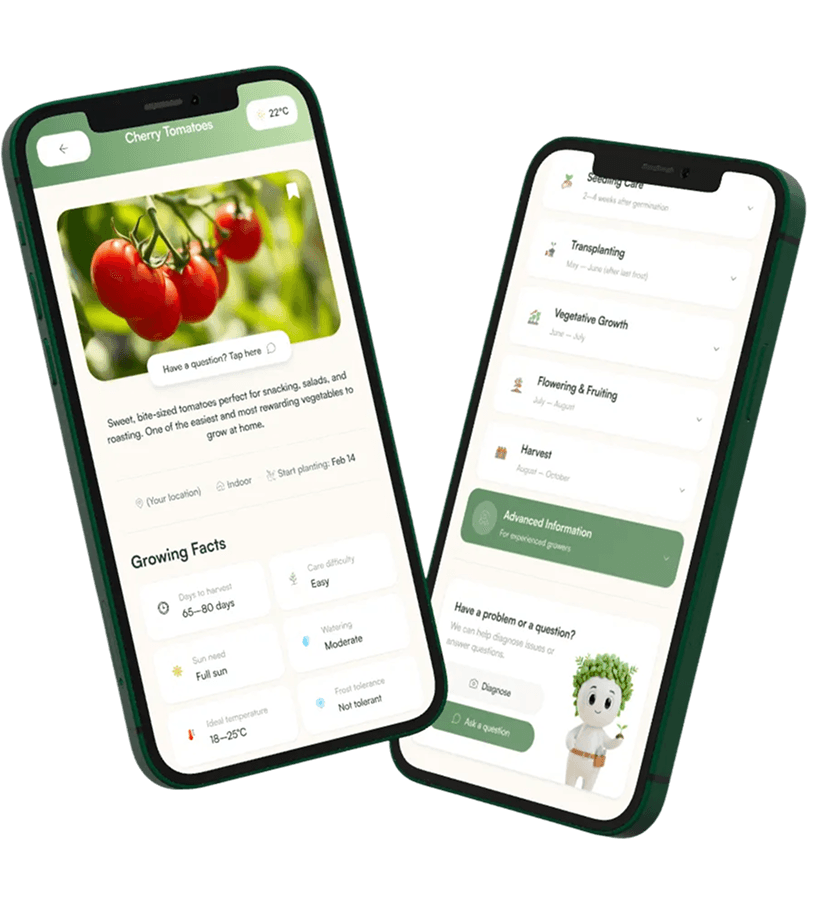
How Garden Pack and GardenPack Remove the Barriers
This is the problem we built Garden Pack and GardenPack to solve.
Garden Pack gives you the right seeds. Every kit is curated for UK growing conditions, with varieties chosen because they're reliable, productive, and beginner-friendly. No guessing at the garden centre. No wondering if that exotic-sounding variety will actually grow in your climate.
GardenPack gives you the right guidance at the right time. When you scan your Garden Pack seeds, the app:
- Tells you exactly when to sow based on your location
- Walks you through every step from sowing to harvest
- Sends smart reminders so nothing gets forgotten
- Helps you diagnose problems with photo recognition and chat
It's like having a knowledgeable gardening friend in your pocket — one who knows your exact seeds, your local weather, and what you need to do this week.
You don't need to become an expert before you start. You just need to start — and let the app guide you as you go.
The Ripple Effect
Something unexpected happens when you start growing your own food. It changes other things too.
You start eating more vegetables — not because you should, but because they're there, fresh, and you grew them. You begin composting kitchen scraps because it feels wasteful not to. Your kids get curious and want to help. You notice the seasons shifting and start looking forward to spring in a way you never did before.
There is a social dimension as well. Gardeners share — surplus courgettes with neighbours, seed swaps with friends, tips with colleagues. Growing food tends to spark conversations and build connections in a way that few other hobbies manage. Many people find that starting a small veg garden leads to joining a local allotment community, volunteering at a community garden, or simply having richer conversations over the fence with the people next door.
It's a small act — putting a seed in soil — but its ripple effect on your life, your health, and your connection to the natural world can be genuinely transformative.
Ready to Start?
You don't need experience. You don't need a garden. You don't need to read a shelf of books.
You need seeds, soil, and a little guidance. Garden Pack and GardenPack provide all three — a curated seed kit designed for UK conditions and a companion app that tells you exactly what to do, when to do it, and how to troubleshoot along the way.
Pick a sunny spot, open a packet of seeds, and put something in the soil this weekend. It does not matter if it is a pot of basil on the kitchen windowsill or a row of beans in the back garden. The important thing is to begin.
Your first harvest is closer than you think.

The GardenPack Team
The GardenPack team combines RHS-trained horticultural expertise with app development to help UK gardeners grow with confidence. Our growing guides are reviewed by experienced allotment holders and tested across UK climate zones.